
English| EUR
Suggested for you
More currencies
Choose a language
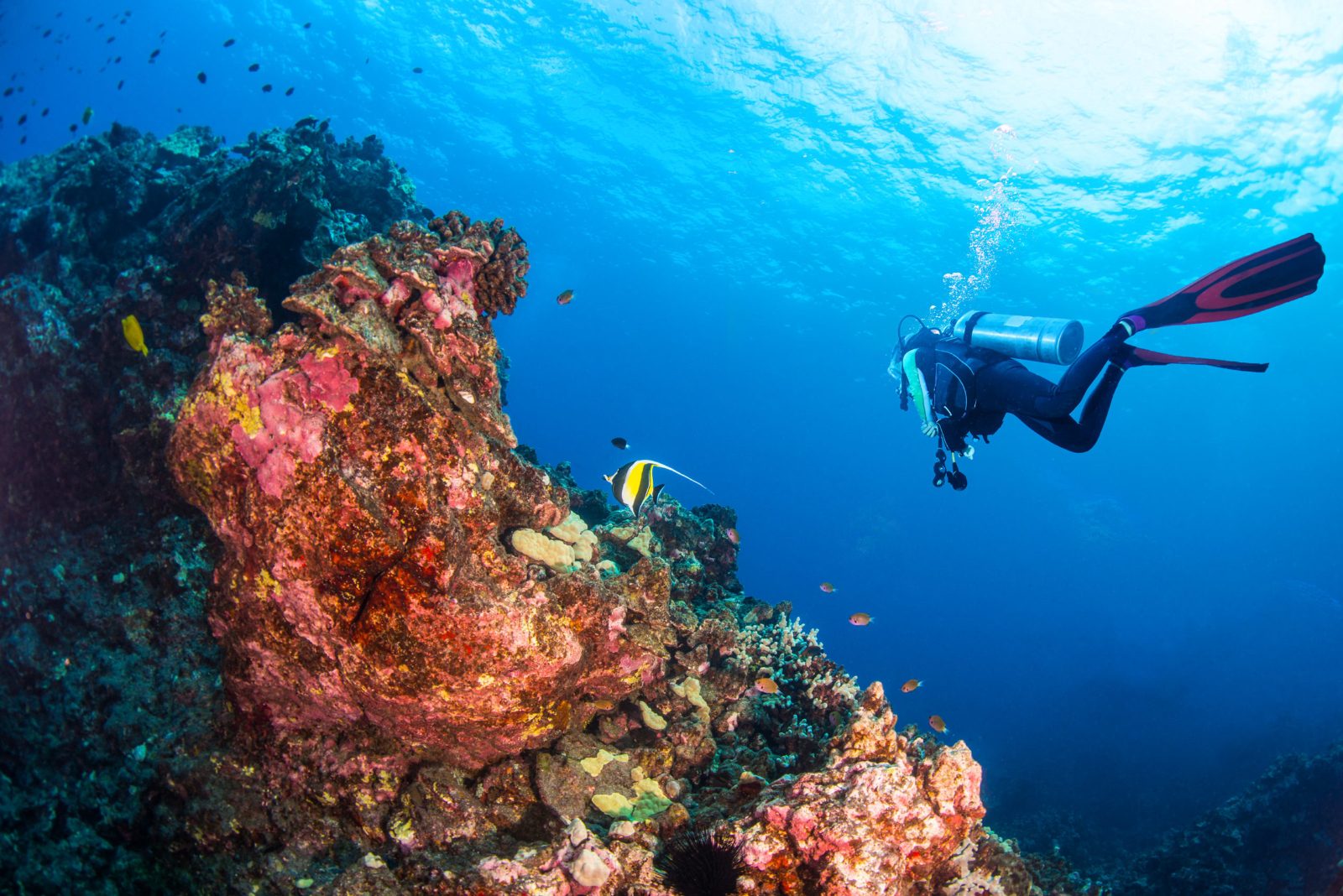
Kauai offers some of Hawaii's most striking underwater topography, from lava tubes to vertical walls that plunge past recreational limits. The question of danger hinges less on the destination itself and more on the specific site, the season, and whether a diver's certification matches the conditions they're entering.
Quick answer
Scuba diving in Kauai carries moderate risk when divers match their experience to site conditions. Most accidents stem from strong currents, sudden weather shifts, and inadequate briefing rather than marine hazards. Morning dives between 07:00 and 10:00 generally offer calmer seas and better visibility, reducing environmental variables. Certified divers who stay within their training limits and dive with reputable operators experience Kauai's reefs safely, while those who overestimate their skill or ignore surface conditions face preventable incidents.
Kauai records fewer scuba incidents per dive than many Caribbean destinations, yet the island's north shore claims a disproportionate share of Hawaii's diving emergencies. The distinction lies in exposure: sites like Tunnels Reef and Ke'e Lagoon face open Pacific swells that can turn a calm entry into a washing-machine exit within twenty minutes. The risks around Kauai divide into environmental and human factors. Currents rank as the leading environmental threat, particularly along the Na Pali Coast where tidal exchange funnels water through narrow channels at speeds that exceed most divers' sustainable kick rate. Visibility swings from 100 feet on glassy mornings to 20 feet after heavy rain washes sediment from the interior valleys. Water temperature holds steady near 77°F year-round, eliminating thermal stress but also encouraging divers to skip exposure protection that would aid buoyancy control. Marine life poses minimal danger—Hawaii has no sea snakes, few territorial species, and shark encounters remain statistically insignificant. The real question when evaluating whether diving Kauai is risky centers on preparation: divers who arrive with Advanced Open Water certification, who check swell forecasts before booking, and who accept that a site may be inaccessible on a given day rarely find themselves in distress. Operators conduct dives via private charters rather than walk-in shore entries; no centralized facility governs access, and site selection falls to individual dive masters. This decentralization means experience quality varies. Reputable operators cancel or reroute when conditions deteriorate, while less cautious outfits run trips regardless of sea state to avoid refunds. The absence of a general entrance fee reflects this structure—each dive is an independent transaction with a commercial operator, and there is no shore-accessible house reef where divers can self-guide. Underwater hazards in Kauai tend toward the subtle. Lava tubes invite exploration but lack marked exit routes, and the island's deeper walls tempt divers past their planned depth when visibility is exceptional. Surge near the reef crest can slam a diver into coral or rock, and the injury is often compounded by lionfish spines or fire coral contact. The question of danger resolves practically: match certification to conditions, dive during the morning weather window, and choose operators who prioritize real-time site assessment over rigid itineraries.
“Kauai records fewer scuba incidents per dive than many Caribbean destinations, yet the island's north shore claims a disproportionate share of Hawaii's diving emergencies.”
Diving in Kauai is often portrayed through the lens of sensationalism, leading to misconceptions regarding oceanic threats. Understanding the reality of managed tourism helps clarify the true nature of safety in these waters.
MythSharks frequently attack divers in Kauai waters.
FactShark encounters are rare and negative interactions with divers are statistically negligible; most sharks in the region are non-aggressive species.
MythThe ocean currents around Kauai are unpredictable and uncontrollable.
FactLocal dive operators conduct thorough site briefings and monitor ocean conditions to ensure dives occur only in safe, manageable environments.
MythScuba diving is inherently unsafe due to the deep ocean.
FactDiving is a highly regulated activity supported by professional training standards and strict adherence to safety protocols during all excursions.
Many diving incidents in Hawaii stem from preventable choices rather than inherent ocean conditions. Recognizing these errors helps divers mitigate risk before entering the water.
Booking with uncertified or budget operators lacking insurance
Verify operator credentials through PADI or NAUI directories, confirm liability coverage, and read recent safety reviews before committing to any dive charter.
Diving beyond certification level or misrepresenting experience to guides
Communicate your actual certification and number of logged dives honestly; guides adjust dive plans and provide appropriate supervision when they know your true skill level.
Ignoring small craft advisories or high surf warnings
Check NOAA marine forecasts the morning of your dive; if seas exceed 6 feet or winds surpass 15 knots, reschedule rather than risk rough conditions that impair buoyancy control and surface intervals.
Skipping pre-dive health assessments or diving while fatigued
Complete medical questionnaires truthfully and avoid diving after long flights, excessive alcohol, or poor sleep; physical strain underwater magnifies quickly when your body is already compromised.
Relying solely on resort courses without practicing buoyancy skills
If you lack recent dive experience, book a refresher session in shallow water before committing to deeper reef or drift dives where buoyancy errors damage coral or create safety hazards.
Minimize risks by confirming your medical fitness, verifying your credentials, and coordinating directly with your chosen operator.
There is no general entrance fee for scuba diving in Kauai, as all activities are conducted through private operators. Costs for excursions are determined solely by these external providers and do not reflect the safety status of any location.
Verdict: You will pay 0 USD in entrance fees, with total costs depending entirely on the private operator you select for your dive excursion.
Everything you need to know about is scuba diving in hawaii dangerous
Scuba diving in Hawaii is generally considered safe when conducted with certified professionals who prioritize proper training. Beginners should always start with discovery dives or certification courses to ensure they understand equipment usage and buoyancy control. It is not inherently dangerous provided you follow standard safety protocols and instructor guidance.
The primary risks associated with diving include decompression sickness, equipment failure, or environmental factors like strong currents. By strictly adhering to dive plans and monitoring air consumption, divers can significantly mitigate these common hazards. Proper planning remains the most effective way to avoid incidents in the water.
Kauai dive operators adhere to rigorous industry standards and safety regulations to ensure guest well-being. All equipment must undergo regular maintenance, and instructors are required to hold active credentials from recognized agencies. Choosing a reputable local company ensures you are diving with professionals who prioritize your safety.
While diving is possible year-round, ocean conditions vary, making the question is scuba diving in hawaii dangerous relevant during high-surf seasons. Visitors should always check local maritime forecasts and rely on the expertise of their dive captain regarding sea state suitability. Morning excursions are typically recommended to take advantage of calmer waters.
Selecting a licensed operator is essential, as they provide necessary briefings and site-specific knowledge that minimize potential dangers. A professional guide will assess your experience level and match you with appropriate underwater topography to ensure a secure experience. Relying on professional expertise turns a potentially risky activity into a controlled and enjoyable endeavor.
To ensure safety, maintain good physical health, stay hydrated, and never exceed your training limits. Proper gear maintenance and listening to your dive master are crucial for every excursion. Following these common sense practices helps ensure that your experience remains safe and rewarding throughout your trip.
Scuba Diving in Poipu
Read more GuideBest Scuba Diving Sites in Kauai
Read more GuideKauai vs Maui Diving Comparison
Read more Tickets & toursPADI Scuba Certification in Kauai
Read more Tickets & toursNorth Shore Scuba Diving
Read more GuideDiving Tunnels Beach
Read more Tickets & toursKauai Discover Scuba Diving for Beginners
Read more