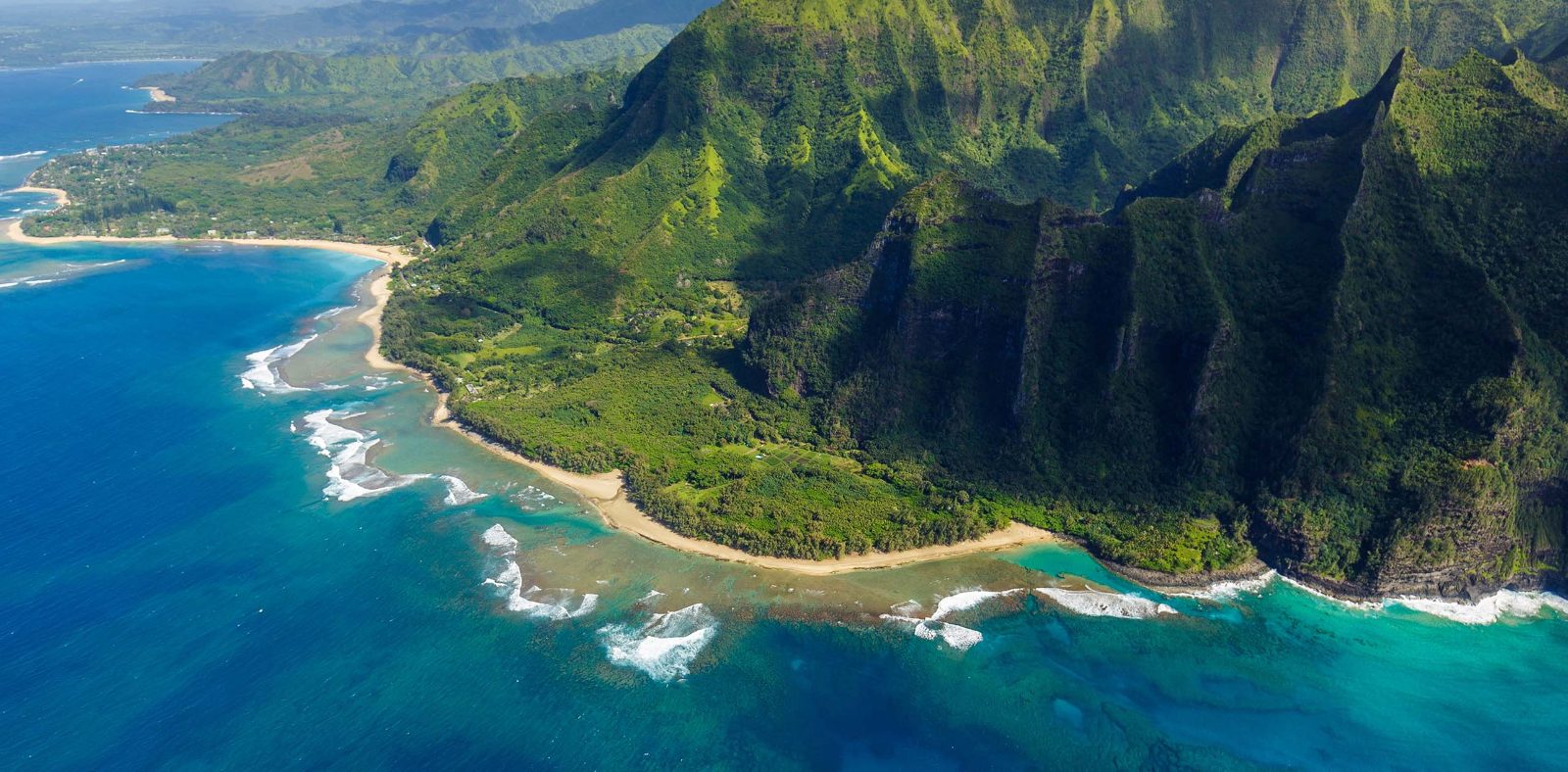
Haena State Park
5 min drive
This park serves as the gateway to the Na Pali Coast and is located immediately adjacent to Tunnels Beach. It is the natural next stop for those interested in coastal hiking and tropical vegetation.

Tunnels Beach on Kauai's north shore shelters one of Hawaii's most accessible outer reef systems, where lava tubes and coral gardens drop from 30 to 60 feet. The site requires shore entry across a shallow reef flat, and conditions shift dramatically between summer and winter swells.
Quick answer
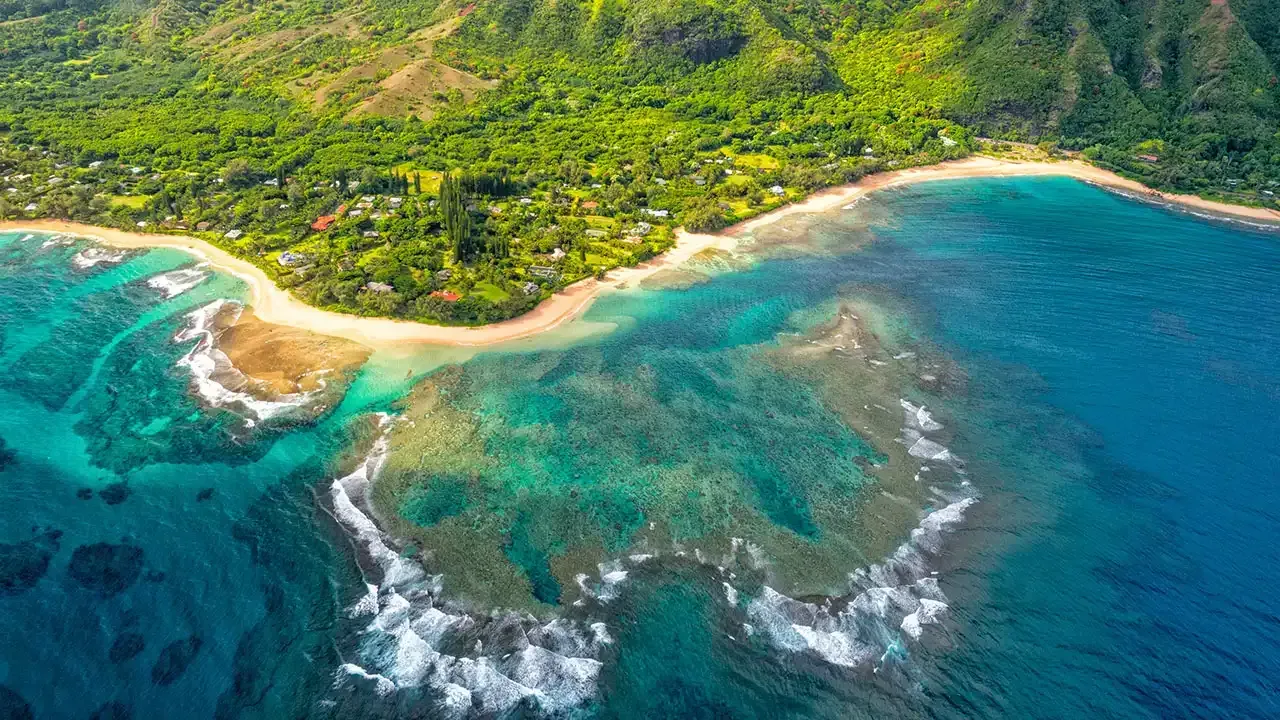
Scuba diving Tunnels Beach Kauai is a shore dive accessible year-round at Makua Beach, with optimal conditions from May through September when north swells subside. The reef features underwater lava tubes, coral archways, and drop-offs between 30 and 60 feet. Winter months bring powerful surf that closes the site to all but the most experienced divers. Entry requires a 200-yard surface swim across the shallow reef flat to reach the outer wall.
The reef system at Makua Beach earned its nickname from a series of underwater lava tubes that tunnel through the outer barrier at depths between 35 and 50 feet. These volcanic formations create swim-throughs large enough for divers in full gear, with openings that frame green sea turtles and whitetip reef sharks moving through the blue. Summer trade winds flatten the north shore between May and September, turning Tunnels into one of Kauai's most reliable dive sites. The reef flat extends roughly 200 yards from shore, shallow enough to stand in chest-deep water before descending the outer wall. Visibility regularly exceeds 80 feet during calm periods. The coral gardens along the wall host endemic butterfly fish, octopus in the rubble zones, and seasonal visits from Hawaiian monk seals. Advanced divers follow the wall west toward Ke'e Beach, where the reef slopes to 70 feet and pelagic species cruise the channel. Winter transforms the site. North Pacific swells between October and April generate surf that breaks directly over the reef flat, creating conditions that have caught even commercial dive operators off guard. Local dive shops monitor swell forecasts daily and cancel trips when wave heights exceed six feet. The reef itself remains accessible during brief winter lulls, but conditions change faster than weather apps predict. Divers who attempt entry during marginal conditions risk being swept onto the reef or unable to exit through shore break. Scuba diving Tunnels Beach Kauai requires self-sufficiency. No dive operators maintain permanent moorings here, and the nearest air fill station sits 12 miles east in Princeville. Most visiting divers coordinate with Kauai dive shops for guided shore dives or rent gear and dive independently after confirming conditions. The beach offers no facilities beyond the sand—carry everything in, including fresh water for rinsing gear. Parking remains limited to the narrow pullouts along the unpaved access road, which fill by mid-morning even in winter.
“The lava tubes that gave Tunnels its name create swim-throughs large enough for divers in full gear, with openings that frame green sea turtles and reef sharks moving through the blue.”
The best arrival window for scuba diving at Tunnels Beach is 07:00–10:00. Arriving during these hours helps visitors manage limited parking congestion and experience calmer morning water conditions.
Warm, calm seas, 78–82°F
The ocean is typically at its calmest during these months, offering the best conditions for scuba diving.
Rough surf, 74–78°F
Large swells often impact the North Shore, making diving conditions unpredictable and often hazardous.
—
Visiting on a weekday morning provides the best chance to secure parking and experience the site with fewer people.
Verdict: The optimal time to visit is during the summer months between May and September, arriving within the 07:00–10:00 window.
Tunnels Beach is a public beach located in Kauai that remains accessible to visitors throughout the week. The area is open 24 hours a day for public use.
Tunnels Beach is located on the North Shore of Kauai near Hanalei. The most common way to reach the site is by private vehicle via Kuhio Highway (Route 560).
Kuhio Highway (Route 560) to Haena area
Kauai Bus Route 40 or 50 to Hanalei/Princeville, then local shuttle
From Haena Beach Park public access trail
Parking at Tunnels Beach is extremely limited and strictly regulated, with no dedicated lot for the beach itself. Visitors often utilize the limited street-side stalls near the trailhead or must secure reservations for designated North Shore shuttle services to access this area.
Tunnels Beach sits within a marine protected area where coral health and endangered species depend on diver discipline. Follow reef-safe practices to preserve one of Kauai's most biodiverse dive sites.
The North Shore of Kauai offers several locations that complement a day spent diving at Tunnels Beach. These nearby sites allow visitors to explore the coastline's natural features and historical context after finishing underwater activities.
5 min drive
This park serves as the gateway to the Na Pali Coast and is located immediately adjacent to Tunnels Beach. It is the natural next stop for those interested in coastal hiking and tropical vegetation.
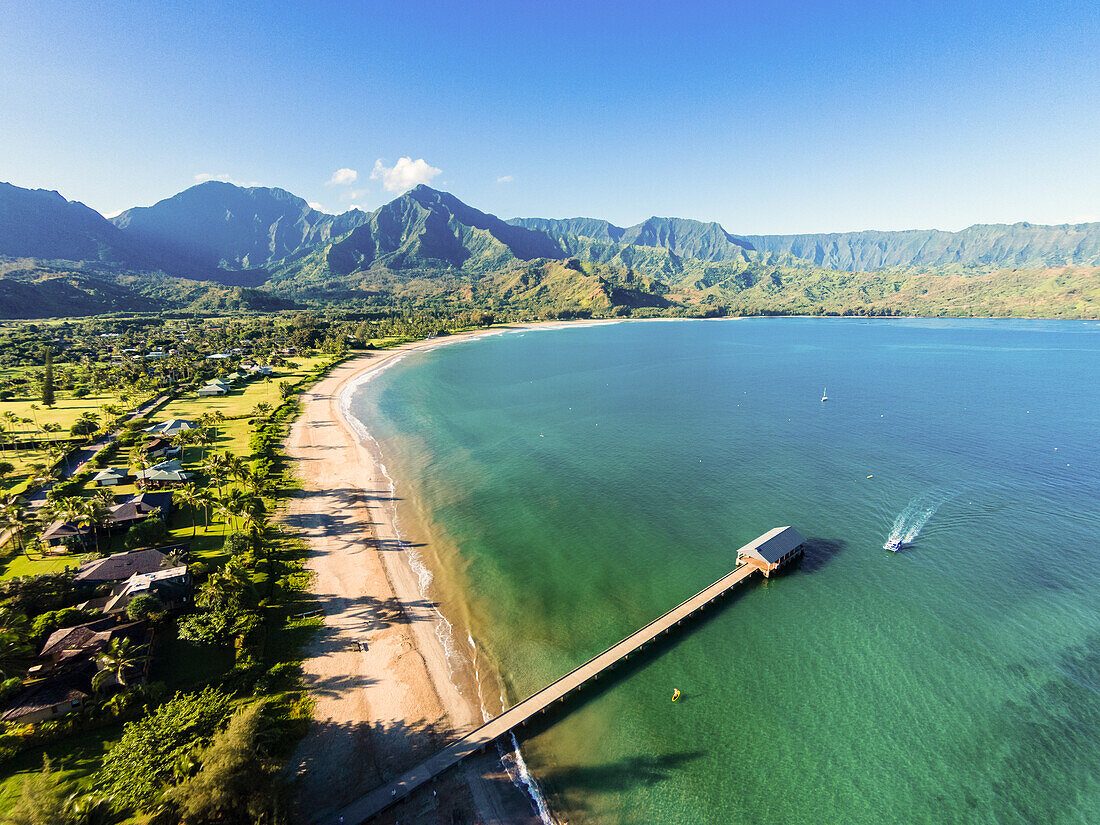
15 min drive
Located a short distance east, this large crescent-shaped bay provides a different coastal environment for relaxing after your dive. It features calmer waters and a town center suited for post-dive meals.

5 min drive
Part of the National Tropical Botanical Garden, this site sits near the beach and highlights native Hawaiian plants. It provides an educational inland contrast to the marine environment of the reef.
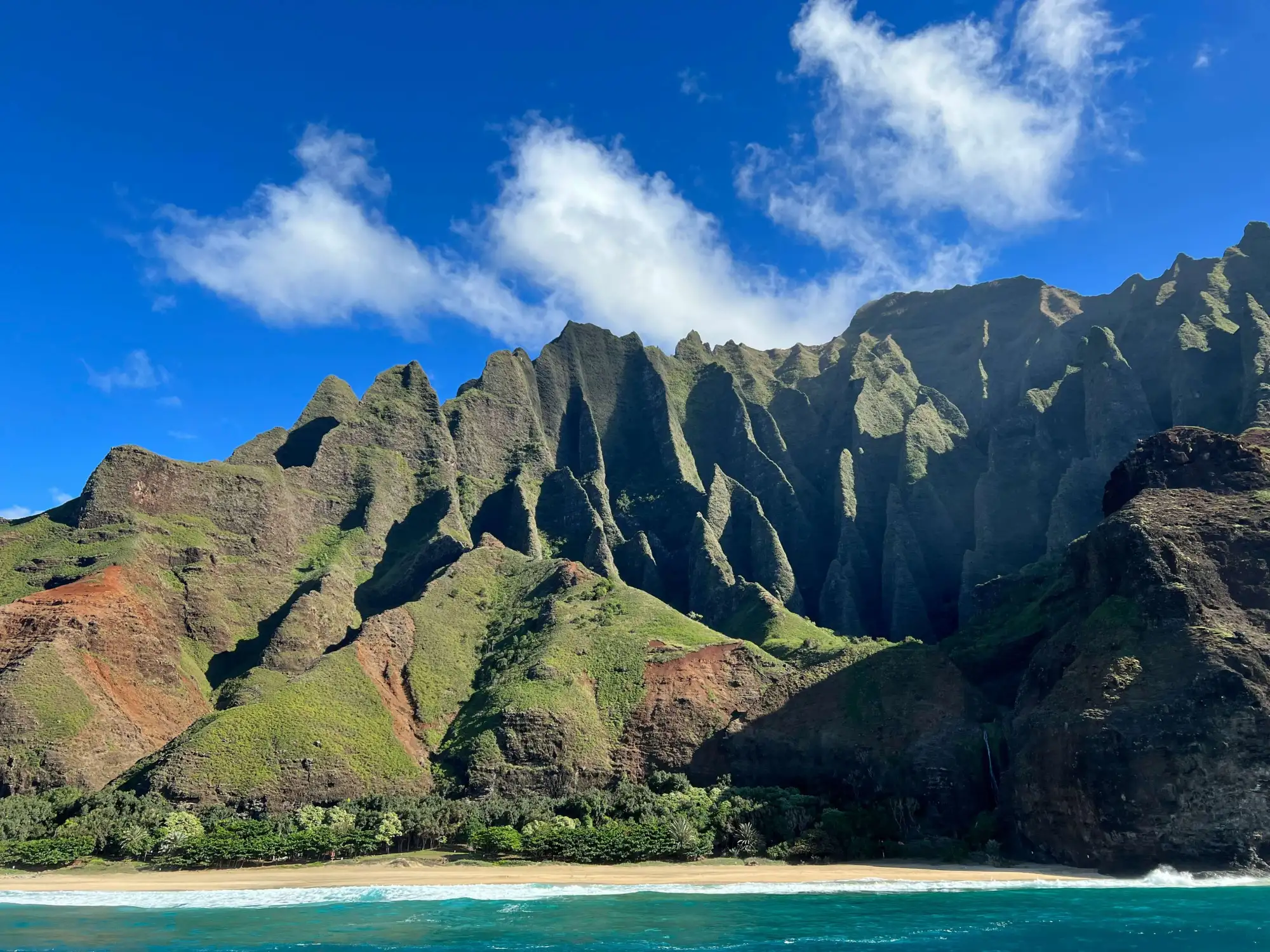
Varies by boat tour
Accessible via boat tours departing from nearby Hanalei or north-facing harbors, this coastline features dramatic sea cliffs. Viewing these formations provides a broader perspective of the geological structures found underwater at Tunnels Beach.
Everything you need to know about scuba diving tunnels beach kauai
Shore entry is possible, but it is primarily known for snorkeling due to shallow reefs, making scuba diving tunnels beach kauai a niche activity often reserved for experienced divers who can navigate the reef topography. Most divers choose to explore this location via boat charters that access the outer reef sections.
The best arrival window for visiting the area is 07:00–10:00 to ensure calm water conditions and better visibility. Planning your trip during the summer months is recommended for scuba diving tunnels beach kauai because winter swells frequently make the north shore inaccessible.
There is no specific permit required for individual scuba diving tunnels beach kauai outings, but visitors must respect state marine life conservation district rules. Always verify current local regulations to ensure your activities align with protected area guidelines.
While you will find many local operators offering Kauai underwater tours, most professional dive shops focus their excursions on deeper offshore sites. You can inquire with local dive masters about private guided experiences if you are interested in scuba diving tunnels beach kauai.
Conditions can change rapidly due to currents, so always check the surf report before entering the water. Proper buoyancy control is essential to avoid damaging the delicate coral formations found throughout this popular Kauai landmark.
There is an entrance fee of 0 USD as this is a free public beach access area. Please note that while the beach is free, parking in the surrounding Hanalei area is strictly managed and limited.
The site features diverse aquatic life including green sea turtles, white tip reef sharks, and schools of tropical fish. The lava tubes and caverns create a unique underwater landscape that defines the character of the reef.
Scuba Diving in Poipu
Read more GuideBest Scuba Diving Sites in Kauai
Read more GuideIs Scuba Diving in Kauai Dangerous?
Read more GuideKauai vs Maui Diving Comparison
Read more Tickets & toursPADI Scuba Certification in Kauai
Read more Tickets & toursNorth Shore Scuba Diving
Read more Tickets & toursKauai Discover Scuba Diving for Beginners
Read more